Kenya and Somalia Sign Historic Fisheries Agreement in Mogadishu
After years of tension, Kenya and Somalia have agreed to jointly manage shared fish stocks in the Indian Ocean, aiming to curb illegal fishing and boost coastal economies.

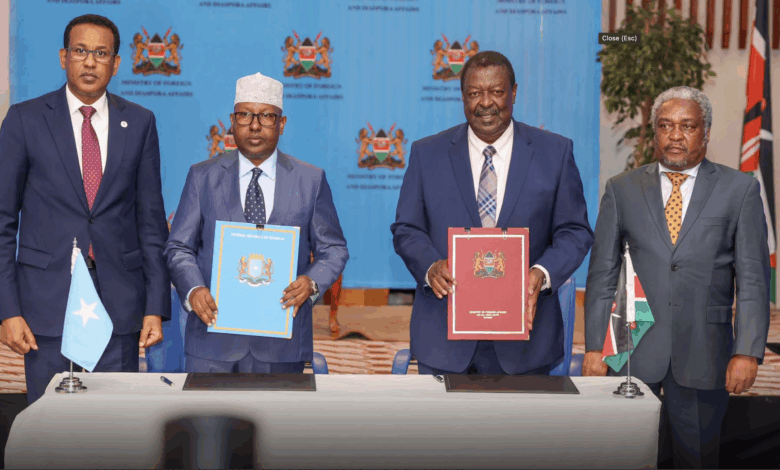
Breakthrough After Years of Deadlock
MOGADISHU — Kenyan and Somali fisheries ministers signed a bilateral agreement on October 23, 2025, establishing a joint commission to regulate fishing in overlapping maritime zones. The deal marks a rare moment of cooperation amid ongoing political and security frictions.
The pact allows licensed vessels from both countries to operate in designated shared waters under a quota system, monitored by satellite tracking and joint patrols. It also commits both nations to combat illegal, unreported, and unregulated (IUU) fishing, which costs the region an estimated $300 million annually.
“This is not just about fish—it’s about feeding our people and building trust between neighbors,” said Kenya’s Cabinet Secretary for Blue Economy, Alfred Mutua, speaking at the signing ceremony in Villa Somalia.
Economic Stakes for Coastal Communities
Kenya’s coastal counties—Kilifi, Mombasa, and Kwale—rely heavily on artisanal fishing, while Somalia’s Puntland and Galmudug regions have seen a boom in foreign trawlers exploiting weak enforcement.
The agreement establishes a 50-nautical-mile buffer zone where only local fishers may operate, protecting small-scale fishermen from industrial fleets. Revenue from licensing fees will be shared 60-40 in favor of the coastal state with the larger registered fleet.
“For too long, foreign boats have stolen our fish while our children go hungry. This deal changes that,” said Amina Hassan, chairperson of the Lamu Beach Management Unit.
Path to Broader Cooperation?
The fisheries pact was mediated by the Intergovernmental Authority on Development (IGAD) and follows quiet backchannel talks in Addis Ababa. Observers see it as a potential confidence-building measure ahead of the ICJ maritime boundary ruling.
Both governments have agreed to hold quarterly joint commission meetings, alternating between Nairobi and Mogadishu. Marine scientists from the Kenya Marine and Fisheries Research Institute (KMFRI) and Somalia’s Ministry of Fisheries will conduct joint stock assessments starting January 2026.
While the agreement does not resolve the broader maritime dispute, it sidesteps the contested boundary by focusing on functional cooperation—a pragmatic approach praised by the African Union.
For now, fishers on both sides of the border are celebrating a deal that promises more fish on their tables and fewer guns at sea.